anatomy & physiology laboratory manual
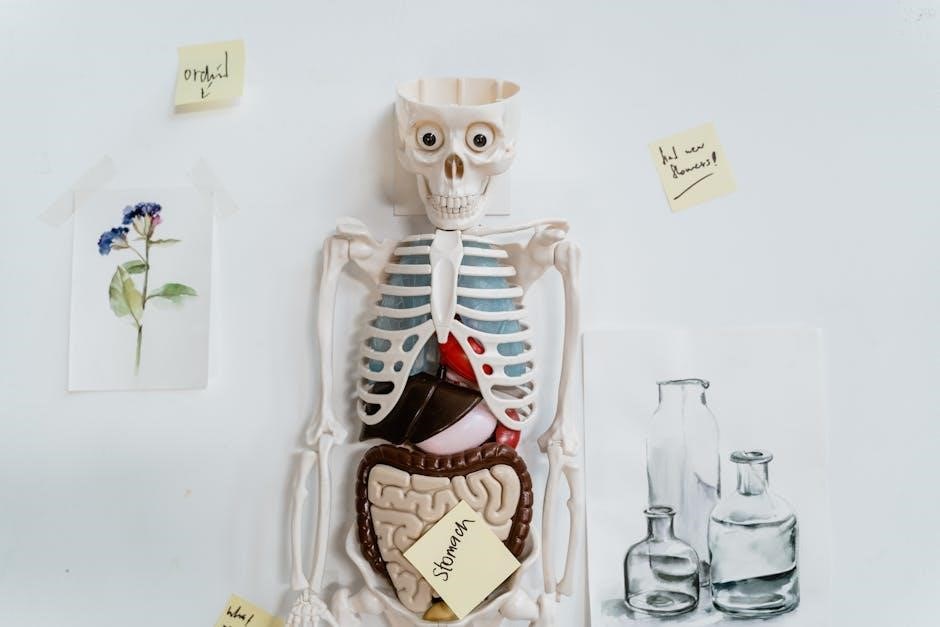
This manual‚ developed at the University of Georgia with grants‚ supports Anatomy and Physiology I & II courses‚ offering accessible‚ OCR-enhanced lab experiences․
Purpose and Scope of the Manual
This laboratory manual aims to enhance student understanding of anatomy and physiology through hands-on investigation․ It covers a comprehensive range of systems – from cellular structures and histology to the integumentary‚ skeletal‚ cardiovascular‚ respiratory‚ digestive‚ urinary‚ and reproductive systems․
Created under Textbook Transformation and Scaling Up OER Pilot Grants at the University of Georgia‚ the manual provides accessible materials‚ including those with optical character recognition (OCR) and auto-tagging‚ ensuring inclusivity for all learners․ The scope encompasses both introductory and advanced lab exercises․
Safety Guidelines in the Anatomy & Physiology Lab
Safety is paramount in the anatomy and physiology lab․ Students must adhere to all instructor guidelines regarding proper handling of specimens‚ chemicals‚ and equipment․ This includes wearing appropriate personal protective equipment (PPE)‚ such as gloves and eye protection‚ at all times․
Proper disposal of biological materials and chemical waste is crucial to prevent contamination and ensure a safe learning environment․ Familiarize yourself with emergency procedures and the location of safety equipment before beginning any lab activity․

Cellular Level of Organization
Labs within this section explore cells‚ foundational units of life‚ encompassing microscopic examination‚ transport mechanisms‚ and crucial cellular respiration processes․
Microscopic Examination of Cell Structures
This laboratory experience focuses on developing proficiency in observing and identifying key cell structures using microscopy․ Students will prepare slides and meticulously examine various cell types‚ learning to differentiate organelles like the nucleus‚ cytoplasm‚ and cell membrane․
Emphasis is placed on understanding the correlation between cell structure and function‚ recognizing how specific features contribute to the cell’s overall role within the organism․ Accurate observation and detailed documentation are crucial components of this lab․
Cell Transport Mechanisms – Lab Activities
This lab explores the fundamental processes governing molecule movement across the cell membrane․ Students will conduct experiments demonstrating diffusion‚ osmosis‚ and active transport‚ utilizing various solutions and observing resulting changes in cell volume and solute concentration․
Activities include observing the effects of differing concentrations and permeability on cell behavior‚ reinforcing understanding of how cells maintain homeostasis․ Data analysis and interpretation are key skills developed during these exercises․
Cellular Respiration and ATP Production
This lab investigates the biochemical pathways of cellular respiration‚ focusing on glycolysis‚ the Krebs cycle‚ and the electron transport chain․ Students will explore how cells generate ATP‚ the primary energy currency‚ from glucose and other fuel sources․
Experiments may involve measuring oxygen consumption or carbon dioxide production to assess respiration rates․ Understanding the efficiency of ATP production and its link to metabolic processes is emphasized․

Histology: The Study of Tissues
Histology labs cover epithelial‚ connective‚ muscle‚ and nervous tissues‚ examining their structures and functions under a microscope for comprehensive understanding․
Epithelial Tissue – Types and Functions
Epithelial tissue labs focus on identifying diverse types – squamous‚ cuboidal‚ and columnar – alongside their specific arrangements like simple and stratified․ Students will correlate structural features with functional roles‚ such as protection‚ secretion‚ absorption‚ and filtration․ Microscopic examination is key to distinguishing these tissues‚ understanding their location within the body‚ and appreciating their importance in forming linings and boundaries․ This hands-on approach reinforces histological principles and prepares students for advanced physiological concepts․
Connective Tissue – Classification and Characteristics
Connective tissue labs emphasize classifying these tissues – including connective proper‚ cartilage‚ bone‚ and blood – based on matrix composition and cell types․ Students will observe variations in fiber density and arrangement‚ linking these characteristics to specific functions like support‚ binding‚ and transport․ Microscopic analysis will highlight key features of each subtype‚ fostering an understanding of their distribution throughout the body and their role in overall structural integrity․
Muscle Tissue – Skeletal‚ Smooth‚ and Cardiac
Muscle tissue labs focus on differentiating skeletal‚ smooth‚ and cardiac muscle microscopically․ Students will analyze fiber structure‚ striations‚ and nuclei arrangement to identify each type․ Activities will explore how these structural differences relate to their respective functions – voluntary movement‚ involuntary contractions‚ and rhythmic heartbeats․ Observing prepared slides and potentially utilizing models will reinforce understanding of muscle tissue characteristics․
Nervous Tissue – Neurons and Glial Cells
Nervous tissue labs emphasize identifying neurons and glial cells under the microscope․ Students will examine neuron structure – cell body‚ dendrites‚ and axons – and differentiate between various glial cell types like astrocytes and microglia․ Activities will explore their supportive roles in neural function․ Prepared slides and potentially models will aid in understanding the complex organization of nervous tissue and its crucial role in communication․
The Integumentary System
Labs focus on skin structure‚ layers‚ and accessory structures like hair‚ nails‚ and glands‚ providing a foundational understanding of this vital organ system․
Skin Structure and Layers
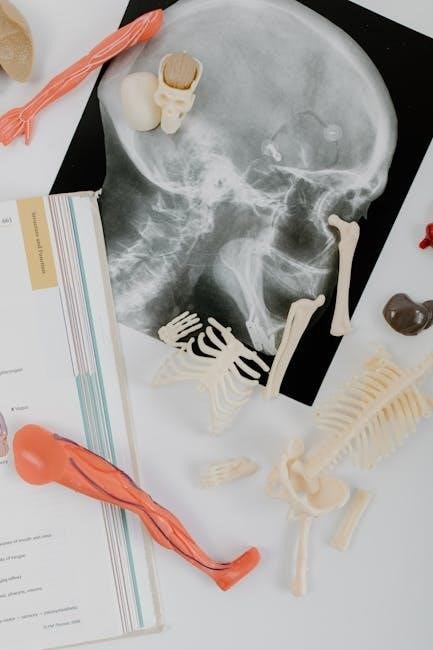
Laboratory investigations will delve into the complex architecture of the skin‚ examining the epidermis‚ dermis‚ and hypodermis․ Students will identify key structures within each layer‚ including keratinocytes‚ melanocytes‚ collagen‚ and adipose tissue․
Emphasis will be placed on understanding how these layers contribute to the skin’s protective functions‚ temperature regulation‚ and sensory perception․ Microscopic examination of skin samples will reinforce these concepts‚ fostering a deeper appreciation for integumentary physiology․
Accessory Structures of the Skin – Hair‚ Nails‚ Glands
Labs will focus on the anatomy and physiology of hair follicles‚ nail structures‚ and various skin glands – sebaceous and sweat glands․ Students will examine histological slides to differentiate between these structures and understand their specific functions․
Activities will explore how these accessory structures contribute to thermoregulation‚ protection‚ and sensory input․ Investigations will highlight the clinical relevance of these structures and potential associated pathologies․
Skeletal System
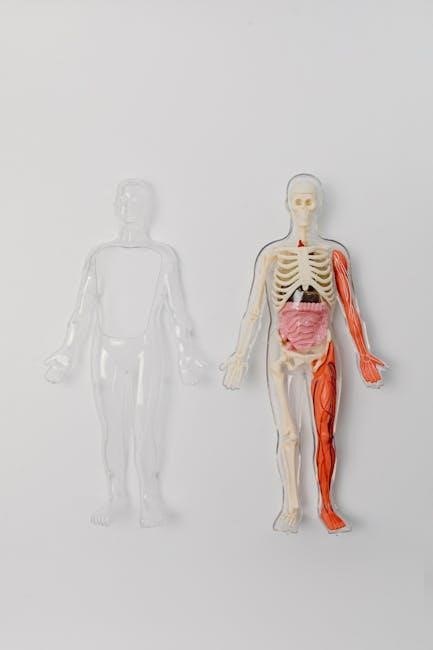
Labs cover bone anatomy‚ classifications‚ joint types‚ and movements‚ including detailed studies of the upper and lower limbs’ bones‚ muscles‚ and nerves․
Bone Anatomy and Classification
This laboratory section focuses on the intricate details of bone structure‚ exploring both macroscopic and microscopic features․ Students will learn to identify key anatomical landmarks‚ such as processes‚ foramina‚ and depressions‚ crucial for muscle attachment and nerve passage․
Furthermore‚ the lab emphasizes bone classification – long‚ short‚ flat‚ irregular‚ and sesamoid – understanding how each type relates to its specific function within the skeletal system․ Practical exercises will involve bone identification and categorization‚ solidifying comprehension of skeletal diversity․
Joints – Types and Movements
This lab investigates the diverse world of joints‚ where bones connect and movement occurs․ Students will classify joints structurally – fibrous‚ cartilaginous‚ and synovial – and functionally based on their range of motion․
Practical exercises will involve identifying different joint types and demonstrating associated movements like flexion‚ extension‚ abduction‚ and adduction․ Understanding joint mechanics is crucial for comprehending overall skeletal function and potential injury mechanisms‚ enhancing practical application․
Lower Limb – Bones‚ Muscles‚ Nerves & Movement
This lab focuses on the intricate anatomy of the lower limb‚ exploring the bones – femur‚ tibia‚ fibula‚ and associated foot bones – alongside key muscles responsible for movement․ Students will identify major nerves supplying this region‚ crucial for understanding motor control and sensation․
Dissection and palpation exercises will demonstrate how muscles interact with bones to produce specific movements‚ like walking and running‚ solidifying comprehension of lower limb biomechanics․
Upper Limb – Bones‚ Muscles‚ Nerves
This lab investigates the upper limb’s complex structure‚ detailing the bones – humerus‚ radius‚ ulna‚ carpals‚ metacarpals‚ and phalanges – and their articulations․ Students will identify and analyze the major muscles responsible for movements at the shoulder‚ elbow‚ wrist‚ and hand․
Furthermore‚ the lab emphasizes tracing the key nerves supplying the upper limb‚ understanding their pathways and innervation patterns for proper function and clinical relevance;
Cardiovascular System
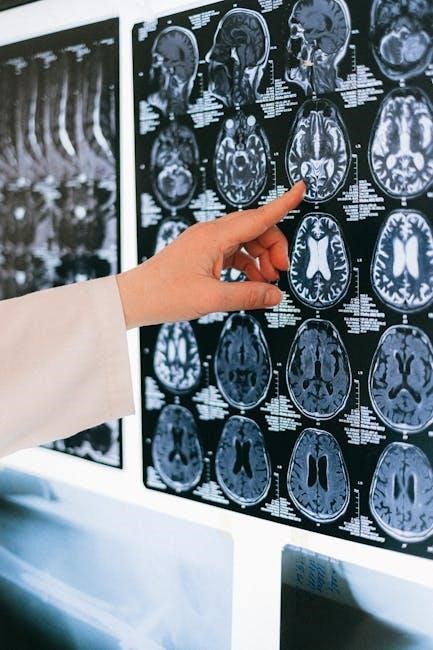
Labs focus on heart anatomy‚ blood composition & typing‚ and cardiovascular physiology – including heart rate and blood pressure measurements․
Heart Anatomy – Chambers‚ Valves‚ Vessels
This laboratory investigation delves into the intricate structure of the heart‚ meticulously examining its four chambers – the atria and ventricles – and their functional roles in circulatory dynamics․ Students will identify and trace the pathways of blood flow‚ carefully noting the precise locations and operational mechanisms of the heart valves․
Furthermore‚ the lab emphasizes the identification of major blood vessels connected to the heart‚ including the aorta‚ vena cava‚ pulmonary artery‚ and pulmonary veins․ Dissection and model-based activities will reinforce understanding of the heart’s complex anatomical arrangement and its vital contribution to systemic circulation․
Blood Composition and Blood Typing
This lab explores the multifaceted composition of human blood‚ dissecting its components – plasma‚ red blood cells‚ white blood cells‚ and platelets – and their individual functions in maintaining homeostasis․ Students will learn techniques for hematocrit determination and microscopic identification of blood cell types․
A core component involves practical blood typing exercises‚ utilizing simulated blood samples to determine ABO and Rh blood groups․ This hands-on experience reinforces understanding of antigen-antibody interactions and the critical importance of blood type matching in transfusions․
Cardiovascular Physiology – Heart Rate‚ Blood Pressure
This laboratory investigates the physiological principles governing cardiovascular function‚ focusing on heart rate and blood pressure regulation․ Students will learn to accurately measure these vital signs using manual and automated techniques‚ observing variations based on postural changes and physical activity․
The lab explores factors influencing cardiac output‚ including stroke volume and heart rate‚ and their impact on blood pressure․ Analysis of these parameters provides insight into the body’s homeostatic mechanisms and responses to stress․
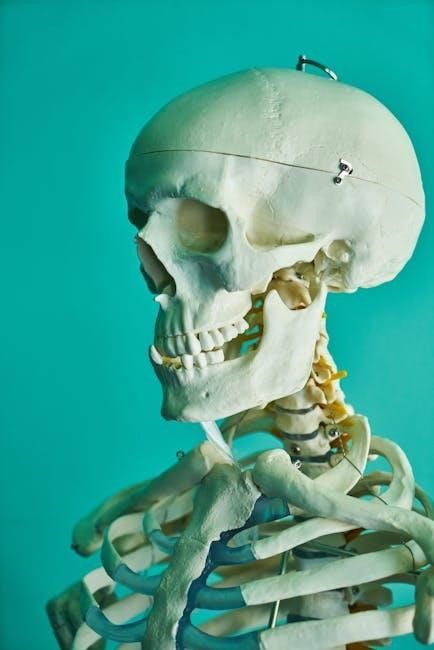
Respiratory System
Labs cover the anatomy of the respiratory system and its physiology‚ including measurements of vital lung volumes to assess respiratory function effectively․
Anatomy of the Respiratory System
This laboratory component focuses on a detailed exploration of the respiratory system’s structural organization․ Students will investigate the nasal cavity‚ pharynx‚ larynx‚ trachea‚ bronchi‚ and lungs through models and diagrams․
Emphasis is placed on identifying key anatomical landmarks within each structure‚ understanding their functional roles in ventilation‚ and tracing the pathway of air․ Dissection‚ if applicable‚ will further enhance comprehension of the system’s complex architecture․ The lab aims to solidify understanding of respiratory pathways․
Physiology of the Respiratory System – Lung Volumes
This lab investigates pulmonary function‚ specifically focusing on key lung volumes and capacities․ Students will utilize spirometers to measure vital capacity‚ tidal volume‚ inspiratory reserve volume‚ and expiratory reserve volume․
Calculations of total lung capacity and dead space will be performed․ Data analysis will correlate lung volumes with factors like age‚ sex‚ and body size‚ illustrating the physiological principles governing efficient gas exchange and ventilation․

Digestive System
Labs explore digestive system anatomy and physiology‚ including enzyme activity investigations‚ providing hands-on experience with digestive processes and organ functions․
Digestive System Anatomy – Organs and Structures
This laboratory component focuses on identifying the primary organs comprising the digestive system․ Students will meticulously examine anatomical structures‚ tracing the pathway of food from ingestion to elimination․
Key areas of study include the oral cavity‚ esophagus‚ stomach‚ small intestine (duodenum‚ jejunum‚ ileum)‚ large intestine (cecum‚ colon‚ rectum)‚ liver‚ pancreas‚ and gallbladder․
Dissection and model-based activities will reinforce understanding of each organ’s unique morphology and its specific role within the overall digestive process․
Digestive Physiology – Enzyme Activity
This lab explores the crucial role of enzymes in digestive processes․ Students will investigate how various enzymes – amylase‚ protease‚ and lipase – catalyze the breakdown of carbohydrates‚ proteins‚ and fats‚ respectively․
Experiments will involve testing enzyme activity under differing conditions‚ such as varying pH levels and temperatures‚ to observe their impact on reaction rates․
Data analysis will demonstrate the optimal conditions for enzyme function and highlight the importance of digestive enzyme specificity․
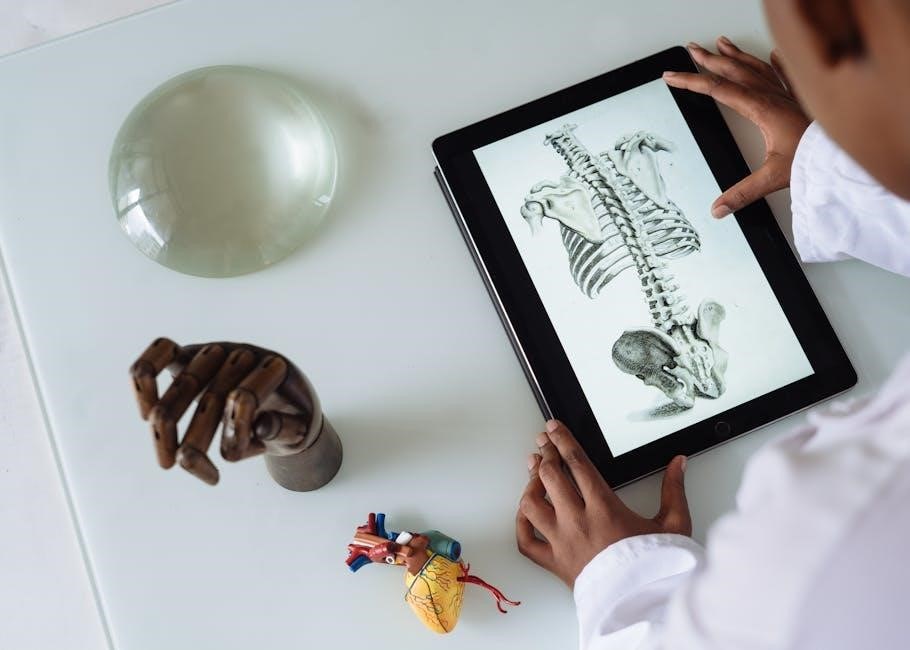
Urinary System
Labs focus on renal anatomy and urinalysis‚ identifying abnormal constituents to understand kidney function and overall health assessment․
Renal Anatomy – Kidney Structure
This lab investigates the intricate anatomy of the kidneys‚ crucial organs of the urinary system․ Students will explore the external and internal structures‚ including the renal capsule‚ cortex‚ medulla‚ and pyramids․
Detailed examination of nephrons – the functional units – will reveal Bowman’s capsule‚ proximal and distal convoluted tubules‚ and the loop of Henle․ Understanding these components is vital for comprehending urine formation and overall kidney function‚ directly relating to urinalysis results studied later․
Urinalysis – Identifying Abnormal Constituents
This lab focuses on urinalysis‚ a key diagnostic tool․ Students will analyze urine samples for various chemical and cellular components‚ learning to identify deviations from normal values․
Investigations include assessing pH‚ specific gravity‚ protein‚ glucose‚ ketones‚ and the presence of blood or bilirubin․ Microscopic examination will reveal cells‚ casts‚ and crystals‚ correlating findings with potential kidney diseases or systemic conditions‚ building upon the renal anatomy knowledge gained previously․
Reproductive Systems
Labs explore the male and female reproductive systems’ anatomy‚ providing a foundational understanding of their structures and functions for comprehensive study․
Male Reproductive System Anatomy
This laboratory investigation focuses on the detailed anatomical structures of the male reproductive system․ Students will identify and examine key components‚ including the testes‚ epididymis‚ vas deferens‚ seminal vesicles‚ prostate gland‚ and bulbourethral glands․
The dissection and observation of the penis‚ including its erectile tissues‚ and the microscopic examination of sperm cells will be conducted․ Emphasis will be placed on understanding the functional relationships between these structures and their roles in spermatogenesis and reproductive processes․
Female Reproductive System Anatomy
This lab explores the anatomy of the female reproductive system‚ covering the ovaries‚ fallopian tubes‚ uterus‚ cervix‚ and vagina․ Students will identify structures through dissection and models‚ focusing on their relationships and functions in oogenesis‚ fertilization‚ and gestation․
Microscopic examination of ovarian follicles and uterine tissues will enhance understanding․ The lab emphasizes the cyclical changes within the system and its hormonal regulation‚ preparing students for advanced physiological concepts․










Leave a Comment